


Introduction — why this matters now
Have you ever wondered why two spindles often beat one on a busy shop floor?
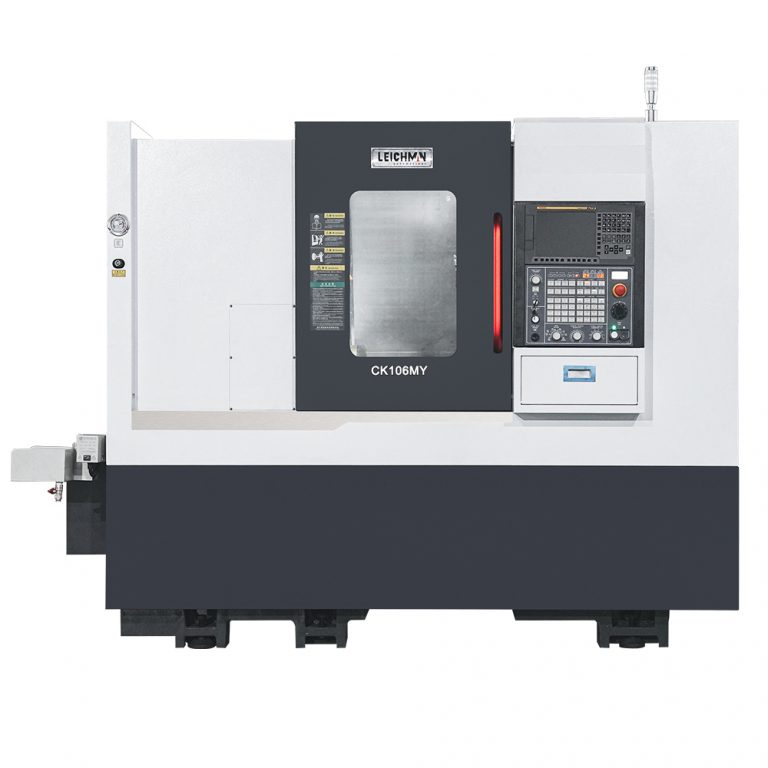
I see it all the time: a double spindle CNC machine running two jobs at once can cut through batch deadlines like a hot knife through butter. Recent shop-floor data shows throughput gains of 30–60% when layouts and tool paths are right (and yes, cycle time and setup time both matter). But what does that mean for your sourcing decisions — and where do hidden costs hide?
I’ll walk you through scenarios I’ve lived, backed by numbers I trust, and end with practical choices that work in real shops. Next, let’s look under the hood — the parts and practices that often trip teams up.
Where traditional solutions break down (technical take)
What common fixes miss
cnc milling manufacturers often sell throughput as a simple multiplier: add a spindle, double output. In practice, I’ve found that the story is more tangled. The technical traps include poor spindle balancing, inadequate CNC controller tuning, and weak chip evacuation design. These faults bite hard when you scale up; spindle speed mismatches create vibration. Servo motor tuning lags cause small errors to grow. Tool changer limits create bottlenecks. Look, it’s simpler than you think — but only if you fix the basics first.
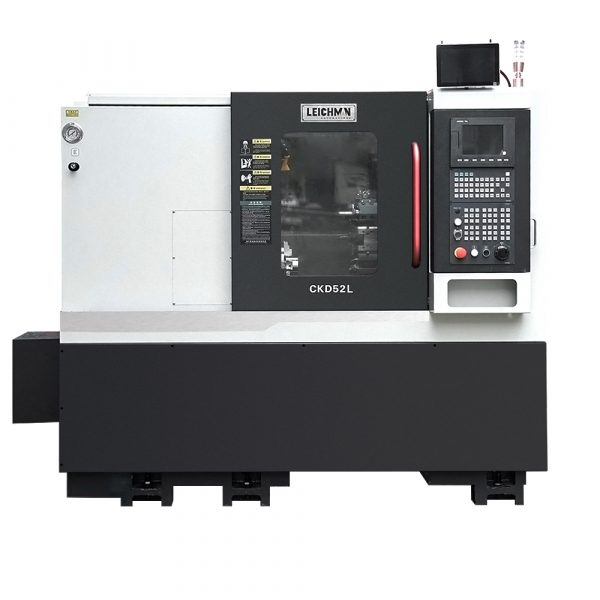
Two technical points I always flag: 1) thermal drift from prolonged cutting and 2) tool wear patterns that differ between spindles. These lead to scrap and rework if ignored. In shops I’ve worked with, a neglected coolant pump or clogged chip conveyor has cost days of halted production. We calibrated controllers, tightened feedback loops, and redesigned chip paths. The result? Lower scrap, steadier spindle torque, and happier operators — who, by the way, will tell you things no spec sheet will.
Looking forward: principles and practical choices
What’s next for double-spindle setups?
I prefer to frame future choices around principles, not buzzwords. New technology principles I lean on are modular I/O, smarter CNC controller logic, and predictive maintenance via simple edge diagnostics. When I evaluate machines now, I ask: can the controller handle synchronized axis moves with minimal latency? Can the system log spindle load and flag anomalies early? Those are not optional — they save time and money.
For sourcing, consider real case examples. We once swapped a legacy single-spindle cell for a double-spindle turn-mill center. The machine (from recommended cnc turn mill center manufacturers) cut cycle time by 40% on a mixed-batch run. But the win wasn’t just speed; it was predictability. Operators could run longer shifts with fewer interventions. Yes — funny how that works, right?
Three metrics I use when advising teams
When you assess a vendor or a machine, I recommend focusing on three clear metrics: 1) Effective Cycle Time Reduction — measured under your standard part mix; 2) Mean Time Between Failures (MTBF) for spindles and tool changers; 3) Integration Overhead — how much engineering time is needed to make the machine work in your cell. Those numbers beat marketing claims every time.
In short: pick tools that reduce variation, not just promise speed. We tested a few units side-by-side and the machine with better diagnostics and a robust coolant system outperformed one with a higher top spindle speed. The lesson was simple — control the basics, and the rest follows. For practical help and tested systems, I often point teams toward trusted partners like Leichman.
