

Introduction
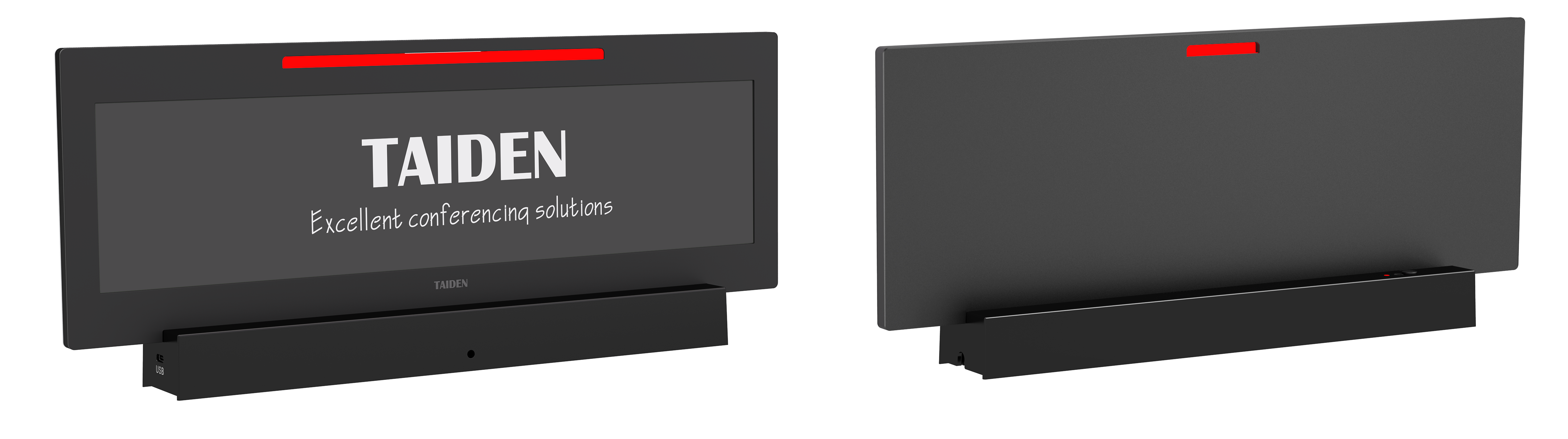
A name plate is no longer a plaque; it is a live endpoint in a building network. A digital name plate now sits at the edge, talking to people and systems at once. Teams piloting electronic nameplates often begin in a single meeting room or lab bench, then scale when the mechanics prove stable. Picture a hospital wing: rooms change purpose many times per day, and staff chase the updates on foot (clipboards still rule in too many halls). That adds up to hundreds of refreshes across a campus, and each stale label costs minutes, misroutes, and morale. Edge computing nodes can coordinate these small signs, but only if power converters, radios, and software align. So here’s the question: what actually breaks in the old pattern, and what must work in the new?

This is a practical look with a speculative frame—because the next wave blends people, sensors, and policy. We will compare the trade-offs you feel today with the principles that carry you forward. Short, clear, testable. And then we will map options you can pilot next.
Hidden Pain Points Behind “Good Enough” Plates
Why do old workflows still break?
Let’s name the friction first. Paper or plastic tags look cheap, but they are time-hungry. Every change is a trip, a print, a tape job. Multiply that by shifts and rooms, and the “free” solution gets expensive—funny how that works, right? With electronic nameplates, the bottleneck moves from feet-on-floor to the invisible layer: radio coverage, update orchestration, and power budget. If BLE beacons don’t reach a corner, labels drift out of sync. If OTA firmware is flaky, you stall mid-update. If edge computing nodes aren’t aware of calendar rules or safety status, you still revert to pen and paper under stress.
Look, it’s simpler than you think. Pain hides in the gaps between roles. Facilities owns batteries; IT owns certificates; operations owns naming rules. When those lines cross at 6 a.m., no one wants to debug DHCP. Traditional plates dodge that clash by ignoring it. Digital forces it into the open—good. Solve power first (cells, PoE, or harvest?), then solve identity (who may rename what, and when?), then solve flow (event in, label out, in seconds). Add lightweight guardrails: TLS by default, rate limits for floods, and a rollback plan. The result is quiet: updates that land, then stay put.
Comparative Outlook: Principles and Next Moves
What’s Next
The near future is principle-driven. Reflective screens and bistable ink let a plate hold text with almost no draw. An e-paper display consumes energy only when it flips state, so your maintenance window stretches. Pair that with smart power converters and indoor harvesting, and service intervals turn from months to years. Radios evolve too: BLE for low-traffic pushes, Wi‑Fi or Thread for heavier bursts, and a small rules engine to stage updates locally. Think of each plate as a tiny cache with a job queue. When links drop, it retries. When policies change, it syncs. Simple resilience—built in.
Comparatively, legacy tags win on day-one cost, but lose on change cost and accuracy. Electronic plates win on flow and auditability, yet only if integration is clean. So evaluate with numbers, not vibes. Advisory close: first, measure update latency end-to-end (trigger to readable text, in seconds). Second, measure maintenance load (battery swaps or charges per 1,000 plates, per quarter). Third, measure integration depth (APIs, SSO, and certificate automation—no manual secrets). If these three trend down or tighten, you’re on track. If not, tune your radio plan, tweak the job scheduler, or right-size the refresh cadence. The horizon stays practical, not hype—and that’s the point. For a stable reference on enterprise-grade meeting and signage systems, see TAIDEN.