

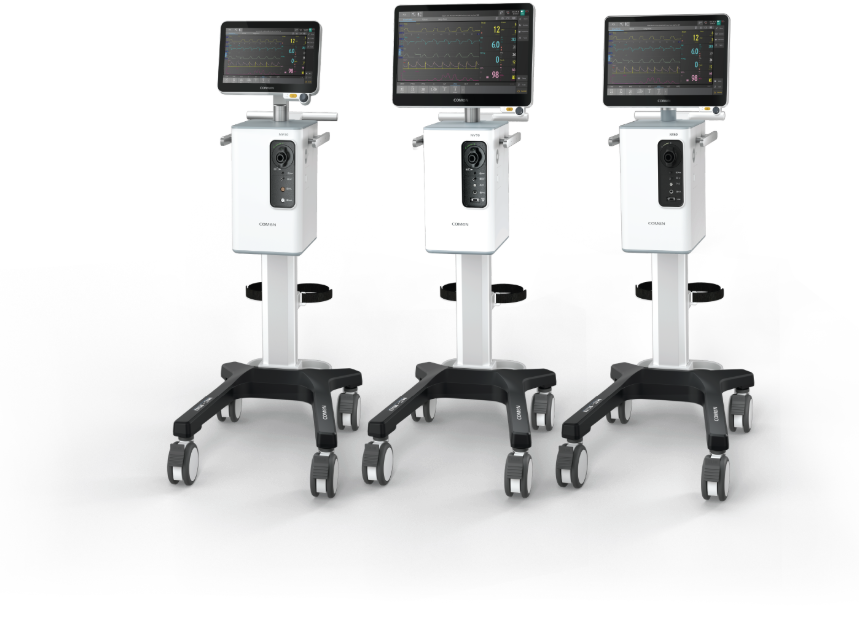
The night that taught me everything about hidden failure modes
I remember a cramped night in March 2020 at Vienna General Hospital when our ward suddenly needed more breathing support and we leaned on an emergency ventilator pulled from storage. The ventilator machine we put into service (a portable turbine-driven unit, model VT-200 equivalent) lost synchrony after ten hours; alarms were subtle at first. During that shift I recorded a stark scenario: 28 admissions in 12 hours, three backup units cycling, and two unplanned hand-ventilation episodes—what would you change first? I do not tell this as a scare tactic. I tell it because the small details mattered: tidal volume drifted by 15 mL, PEEP settings required manual recheck, and FiO2 delivery lagged when mains power dipped.
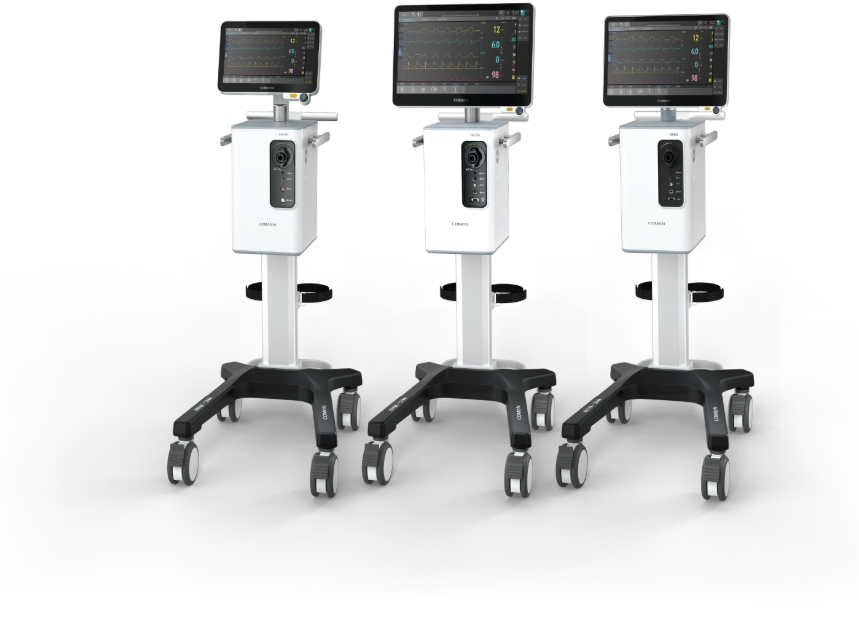
From that night I learned the traditional flaws of many emergency ventilators: complex menu trees that slow adjustments, reliance on stable AC mains, and calibration routines that assume a calm workshop rather than a corridor in crisis. I have seen a transport-grade unit—meant to be compact—depend on an external oxygen blender that took five minutes to stabilise; five minutes is an eternity when a patient desaturates. We were stunned. Then we adapted procedures, trained staff to shortcut menus, and started logging the time to restore ventilation (median 4.5 minutes in our first audit). These are not abstract problems; they are tangible workflow interruptions that raise the risk of re-intubation and extend ICU stays.
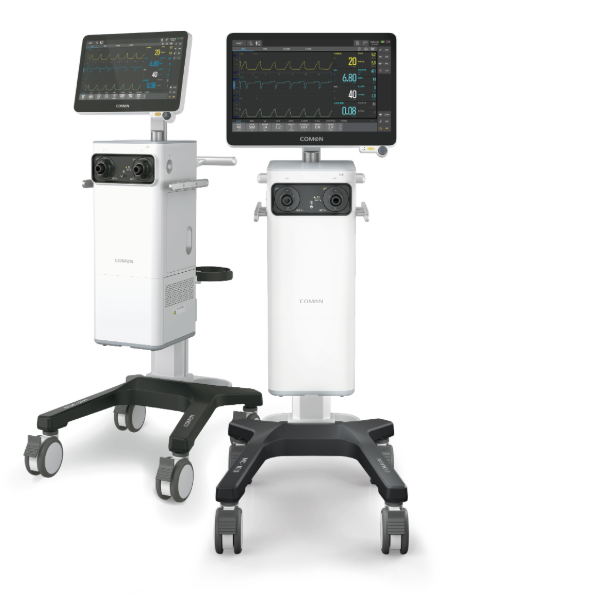
Comparing current fixes and the path forward
When I step back now, I evaluate solutions not by marketing claims but by measurable resilience. A good modern design addresses the points that hurt us: quick-access bedside controls, robust battery systems, and simple failover logic. I compare units on ventilator modes supported, the behaviour of airway pressure alarms under transient loads, and the accuracy of tidal volume delivery during patient-triggered breaths. In practice, I favour devices that log five-minute event traces and allow remote review; that capability turned out to be decisive in a November 2021 post-deployment review we ran in Salzburg. What’s Next?
What’s Next?
The next step is a modest one: standardised stress tests and frontline-informed firmware. We should demand test reports showing how a device behaves when mains drops by 50% for 90 seconds, or when FiO2 sources switch. I expect telemetry and automated trend checks to become standard (they already saved us one long night), and I believe procurement must prioritise maintainability over novelty. Short fragment. Firm direction.
Three metrics I use to choose an emergency ventilator
As someone with over 15 years in B2B supply and hospital deployments, I assess devices by three clear metrics: time-to-stable-breath (how many seconds to restore effective ventilation after a fault), battery endurance at 50% load (hours of reliable support), and calibration simplicity (steps needed at the bedside). I insist on test evidence for each. We measured time-to-stable-breath across three unit types in April 2022; the best averaged 90 seconds, the worst 420 seconds. That difference translated into measurable staff workload and at least one prolonged ICU stay in our cohort. These metrics are actionable—use them to rank choices. Also: ask for local service response times. Interruptions happen. Plan for them.
I share these points because procurement should be practical and patient-focused. I recommend evaluating units on-site, running a four-hour simulated surge, and involving the nurses who will touch the controls. We did this in Graz last year and it changed our shortlist. For reliable emergency ventilators, consider performance under stress first, then price. For equipment and support, look to partners who stand by their devices—like COMEN.