


Opening the problem: why this trade-off still bites
Every homeowner and designer wants a fan that hums low and moves a lot of air — not some buzzy paperweight that ruins movie night. The reality: quieter operation and higher airflow are often at odds because motor design, blade geometry, and light-kit integration all interact. If you’re shopping for a smart ceiling fan with light, you’ll see spec sheets that look good on paper but hide compromises. Energy Star even points out that fans let you raise the thermostat by a few degrees without losing comfort — so getting the quiet-versus-power balance right actually matters for energy and comfort in places like Phoenix summers.
The audible problem — where the noise comes from
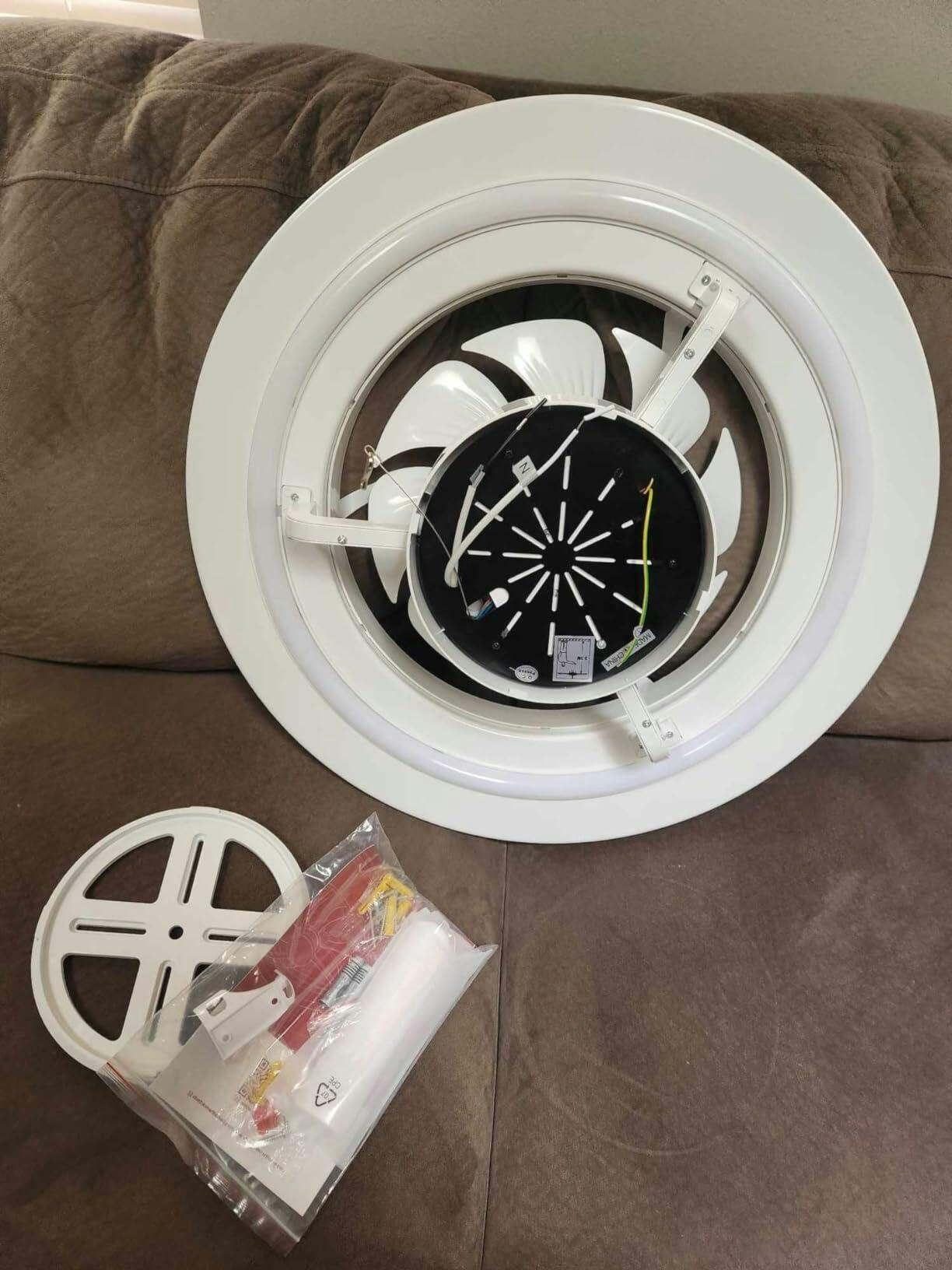
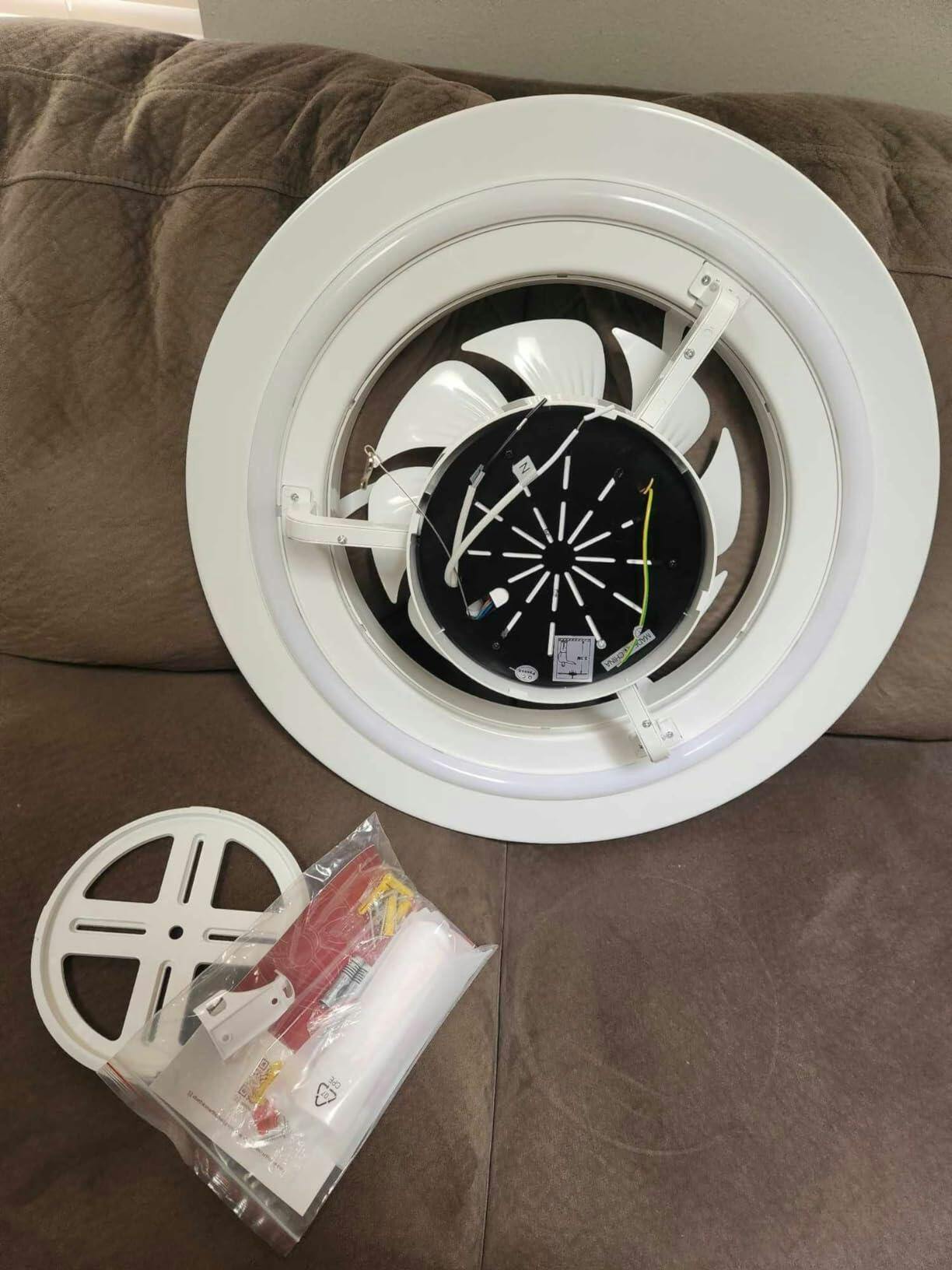
Noise isn’t one thing. It’s mechanical rattle from loose mounts, aerodynamic noise from blade tip vortices, and electrical whine from motor drive electronics. BLDC motors cut a lot of mechanical drag and heat, but if the driver uses cheap PWM switching or poorly damped bearings, you still hear it. Designers toss in thin light kits and think that’s fine — except the light housing can couple vibration into the canopy. The upshot: you need cross-discipline fixes, not just a quieter motor.
Engineering trade-offs: torque, blade pitch, and light kit fit
Three parts of the system usually fight each other. One: torque and motor sizing — undersize it, you get strain and noise at high RPMs; oversize it, you get cost and unnecessary vibration. Two: blade pitch vs. RPM — narrow pitch needs higher RPM to hit a target CFM, which raises noise. Three: light kit integration — heavy or off-center light kits alter balance and change motor load. Good engineering finds the sweet spot: efficient BLDC control, tuned blade geometry, and a low-profile light assembly that doesn’t mess with balance.
Orison’s approach — part-level tweaks that add up
Orison focuses on parts engineering to nudge that sweet spot. They standardize tight neck finishes and precision bearing tolerances, use harmonic-damped housings, and spec driver firmware that minimizes audible switching harmonics. In practice you get a fan that hits higher CFM at lower RPMs — so less aerodynamic hiss — and a light kit that’s balanced and thermally managed. They also pay attention to closure fitment so the canopy doesn’t rattle when the motor ramps up or the dimmer toggles.
Real-world notes and quick bench checks
If you’re testing a unit at home, do three quick checks: 1) Listen at low and high speeds for tonal harmonics; 2) Measure wobble at the blade tips (a simple visual test while running helps); 3) Cycle the dimmer and speed to see if noise changes. For pros: test with your actual control method — Wi‑Fi or remote — because driver firmware differences can change perceived noise. I tried a sample in a small Jacksonville condo and it lowered perceived noise while increasing air movement — solid practical win. —
Alternatives and when to pick them
If you need raw CFM for a big open-plan loft, a larger motor with steeper blade pitch from a performance-focused brand might suit you better than a quiet-optimized consumer model. If bedroom silence is the top priority, look for units that advertise sub-35 dB idle noise and evidence of harmonic damping. For smart integrations, check that the fan supports your chosen ecosystem — some units work better with voice assistants than others. And if you want both, mid-tier hybrid products that balance motor spec and tuned blade profiles often hit the sweet spot — though expect a price premium.
Common mistakes teams make when specifying parts
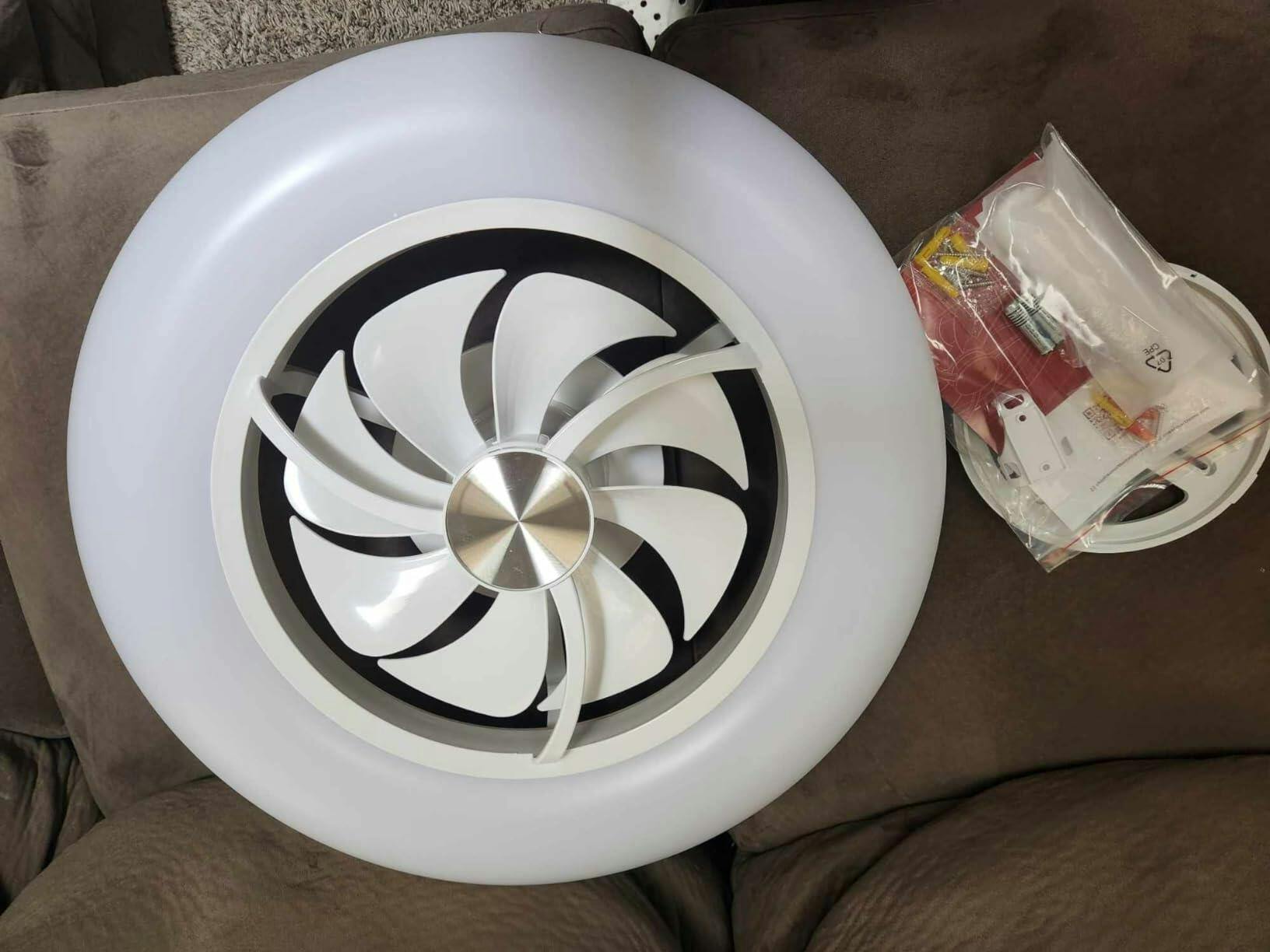
Teams tend to: assume motor torque from RPM specs alone; ignore the real effect of added light-kit mass on balance; and skip firmware testing across speeds. A frequent error: accepting “quiet” as a marketing term without asking for single-tone spectral plots or third-party dB measurements. Another one: not checking atomizer-like vibrations when integrating translucent light diffusers — odd, but it can produce a subtle buzzing under certain dimmer loads. Fixes are simple: insist on engineering samples, request vibration and acoustic data, and test with production electronics.
Three golden rules for evaluating quiet, high-performance fan parts
1) Measure, don’t assume: require acoustic spectra and wobble limits from suppliers, not just dB claims. 2) System-level thinking: balance motor spec, blade geometry, and light-kit mass together — a change in one will shift the whole behavior. 3) Firmware and control parity: validate the actual driver firmware and dimmer method you’ll ship with, because software can make or break audible performance.
Final assessment and how Orison fits
When the problem is clear — you want low noise without sacrificing airflow or smart features — parts-level engineering is where you win. Orison’s mix of precise mechanical tolerances, tuned electronics, and balanced light-kit design makes it a pragmatic choice for teams that need both. If you want to see how that looks in a finished product, check an integrated smart fan with light to compare specs and feel the difference. Orison’s parts don’t just promise quiet — they make it measurable. Orison. —
