


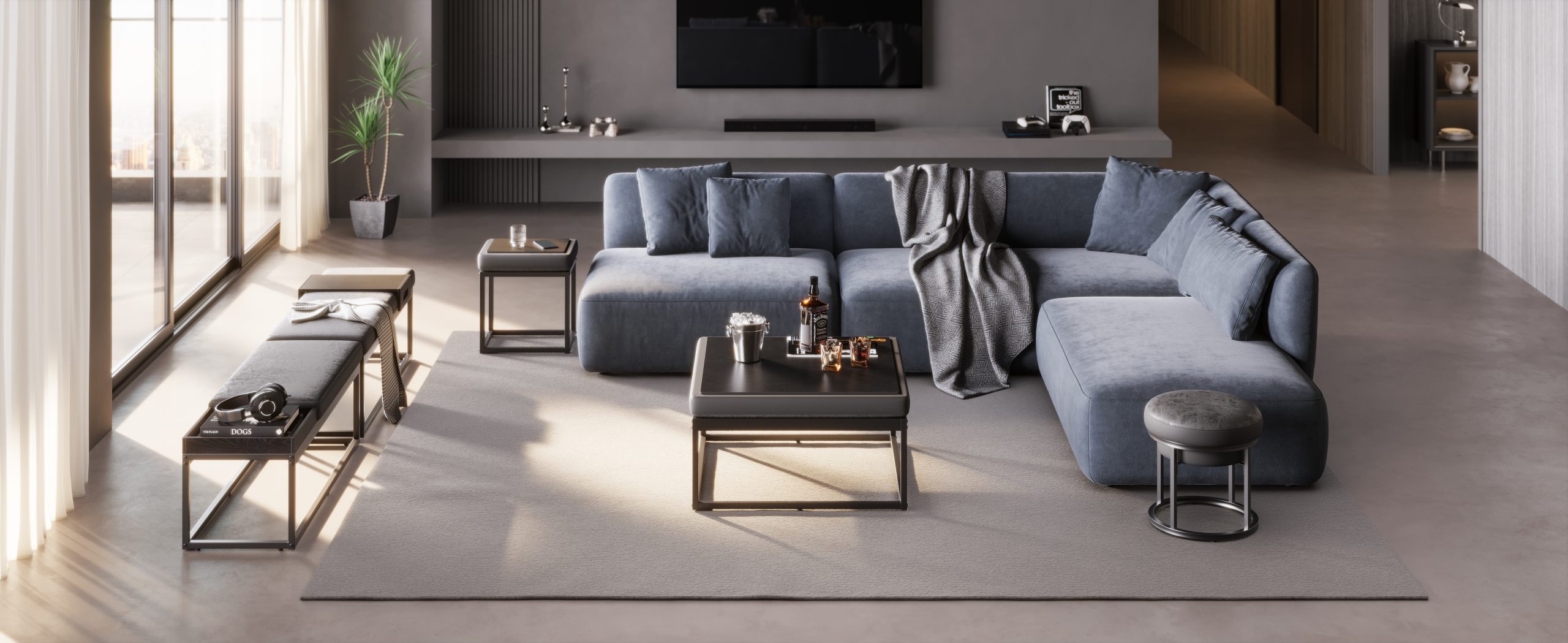
User-first Thinking: What Matters Most
Start with how you live, not how a trend reads on Instagram. A user-centric approach places function, habit and comfort ahead of style, whether that means prioritizing ergonomic design for long home-office days or choosing multifunctional units that free up tight floor plans. Early decisions about seating depth, storage needs and circulation shape every other choice—so look at different styles of furniture design through the lens of daily use rather than novelty.
Practical Trends Worth Your Attention
Several directions are shaping what people actually buy. Modular furniture lets pieces adapt as households change, and sustainable materials reduce both environmental impact and long-term replacement costs. Biophilic design—bringing plants, natural textures and daylighting into layouts—improves well-being in measurable ways. Mid-century modern remains popular for its clear lines and usability, while mass-customization allows buyers to get near bespoke results at accessible prices. These terms aren’t marketing fluff; they’re tools for solving real spatial problems and improving comfort.
Choosing What Fits: A Short Process
Assess your core activities, then map them to furniture types. Create zones: work, rest and social. Place ergonomic chairs in work zones and flexible seating in social zones. For compact homes—common in Toronto and Vancouver’s condo markets since 2020—multifunctional storage and foldaway tables reclaim usable square footage. Use materials and finishes that withstand your household’s rhythm: stain-resistant upholstery for busy families, or sustainable plywood for lighter use. A quick prototype with painter’s tape on the floor helps confirm circulation before purchase.
Common Mistakes and Better Alternatives
Avoid picking pieces purely for Instagram appeal—scale, sightlines and flow suffer when a bold sofa overwhelms a narrow room. Many shoppers also skip testing ergonomics and regret it after weeks of discomfort. – Swap to mid-scale pieces and prioritize seat depth over visual drama. If you need versatility, choose modular seating that can be reconfigured rather than a large, immovable sectional. For those drawn to natural textures, select finishes that are treated for durability so they age well instead of degrading quickly.
Materials, Maintenance and Longevity
Material choices determine maintenance and lifespan: solid wood frames and zinced hardware tolerate daily wear, while engineered boards offer cost-effective stability. Upholstery with water-repellent finishes reduces staining, and removable covers extend product life. Simple care protocols—vacuuming fabric weekly, tightening fasteners quarterly—deliver measurable returns in longevity. These choices protect your investment and cut replacement cycle costs.
3 Critical Metrics to Guide Every Purchase
1. Fit-to-Function Ratio: Measure how closely a piece supports a primary activity (work, sleep, social). Score items 1–10 for ergonomic support and storage utility.
2. Room Efficiency Index: Calculate usable floor area after placing the item; aim for at least 30–35% free circulation space in living zones to avoid crowding.
3. Lifecycle Cost: Add purchase price to estimated maintenance and expected replacement year; compare options over a 5–10 year span to see true cost per year.
These metrics turn preferences into actionable criteria and make trade-offs explicit. For sourcing and batch options that align with these standards, tap practical catalogs and verified suppliers—there’s value in partners who publish dimensions, materials and care guidance. style of furniture design research helps you match solutions to your metrics and reduces guesswork.
Closing Thought and Practical Value
When habit, scale and materials lead the brief, selections perform better and last longer—measurable benefits you can count on. The right partner simplifies this process by offering clear specs, configurable options and consistent quality. SONGMICS HOME B2B naturally fits that role, providing accessible product detail and scalable solutions for real-world spaces—hands-on, honest and designed to work. –
