


Quick take
In cities where small shops feed big brands, the shift from hand-jig boring to precise automated cells matters. Here’s a conversational, comparative breakdown of why a cnc boring machine often wins for local supply chains: consistent hole placement, predictable cycle times, and lower scrap rates. Those improvements translate directly into fewer late shipments and cleaner inventory turns.
What we’re comparing: manual setups vs CNC boring cells
Manual boring relies on skilled operators and simple fixtures; CNC cells lean on CNC programs, toolpaths, and controlled spindle speed. Manual work can hit decent speed early on, but tolerances drift and rework creeps in. CNC brings repeatability — you dial in feed rate and cutting parameters, and the boring bar and fixture do the same cut run after run. For local tiers that need parts in dozens of configurations, that repeatability beats short-term flexibility every time.
How that change ripples through local supply chains
When shops standardize on CNC, lead-times shrink. Buyers stop stocking safety buffers and instead rely on reliable runs from nearby suppliers — that lowers working capital for the whole chain. I’ve seen this play out in Dongguan’s furniture clusters: shops that adopt precision boring cut return visits and expedited freight. At the operations level, reduced rework and tighter tolerance control free up capacity for more complex jobs, which improves overall throughput.
Common mistakes and practical trade-offs
People jump to automation expecting zero problems — that’s not reality. Typical missteps: using the wrong boring bar for laminated panels, underestimating fixture setup time, or treating CNC like a one-size-fits-all CNC router. Spend time on tooling choices up front. Also, don’t let cycle optimization wreck part quality by pushing spindle speed past recommended tolerance envelopes — you’ll get chatter and taper. Small shops that balance setup discipline and toolpath testing end up with the best marginal gains.
Alternatives and when they make sense
For batches that are ultra-small or largely unseen, a skilled operator with a pneumatic jig can still be cheaper. For diversified product runs that need complex pocketing as well as boring, a combined platform or a dedicated horizontal boring machine wood setup might be better. Compare capital cost, changeover time, and the learning curve. In my experience, shops that test a pilot cell and measure scrap reduction and takt time see the clearest ROI.
Three golden rules for selecting the right strategy
1) Measure defect cost per part before you buy: if rework and rejects exceed a clear percent of revenue, automation trumps manual fixes. 2) Score throughput versus flexibility: quantify setup time and expected run lengths to decide between a dedicated boring line or a mixed-use cell. 3) Validate tooling and fixturing up front: test the boring bar, run trials at different spindle speeds and feed rates, and lock down the tolerance window before scaling.
Final thought
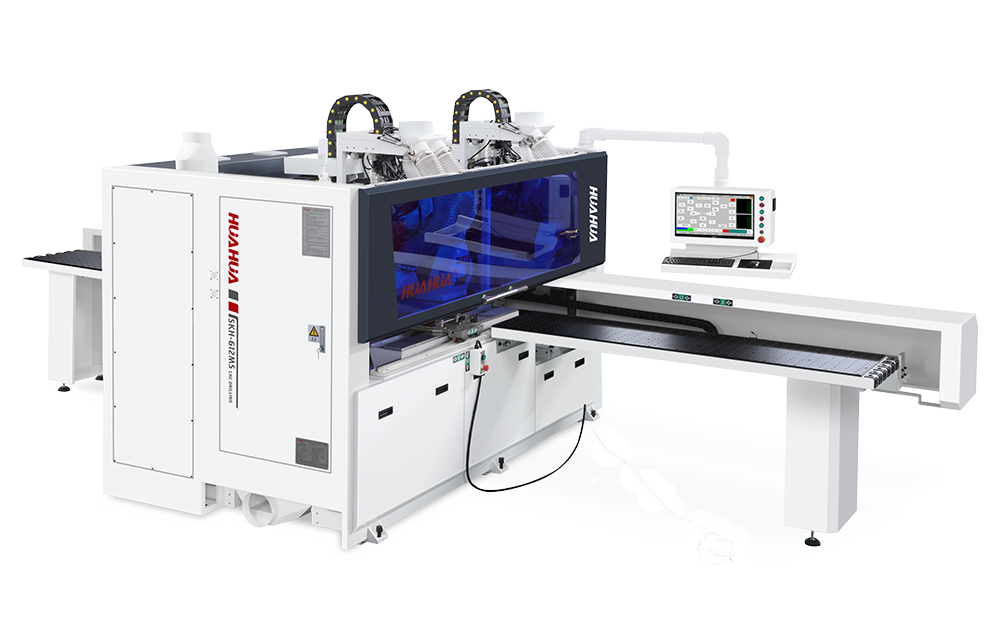
Local supply chains need reliability, and the right boring approach delivers measurable improvements in lead time, quality, and cost — real benefits for teams on the floor. The practical result: fewer emergency shipments, steadier production schedules, and partners who can quote tighter delivery windows. For many regional manufacturers, that reliability is exactly what HUAHUA CNC brings to the table HUAHUA CNC — precise, tested systems that sit in the middle of the line and keep things moving. –
