


Opening: why sub-second response reshapes choices
When the grid asks for precision under pressure, the quiet hero is often a compact solar battery storage system that can answer in fractions of a second. Choosing between suppliers and architectures for a 50kW-class system is not merely a cost exercise; it’s a question about the role you want a battery to play — frequency regulation, peak shaving, or seamless islanding. These uses demand attention to inverter dynamics, state of charge management, and control-layer latency — each a small technical detail with outsized operational consequence.
Comparative framework: the axes that truly matter
To compare solutions honestly, look across three axes: response time and control logic, energy capacity and round-trip efficiency, and operational support including warranties and lifecycle analytics. Response time is driven by the inverter and the battery management system (BMS); capacity and efficiency determine how long the system can sustain a service after it answers; operational support dictates whether you’ll see predictable performance three years from now or only glossy specs on day one. Treat these as linked — a fast inverter with poor SoC strategy is a sprint that ends before the race begins.
Practical comparisons: architecture, not brand glamour
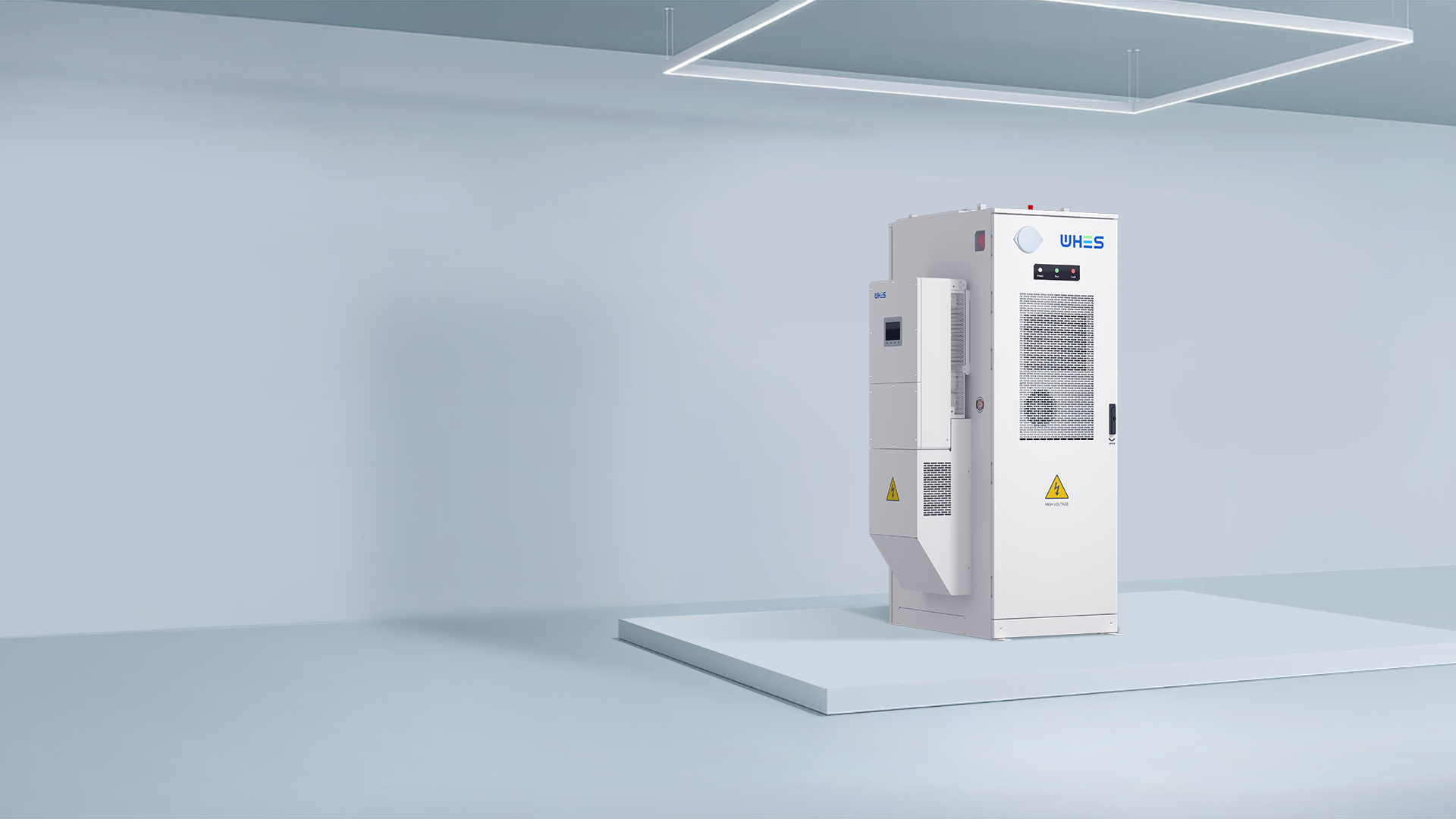
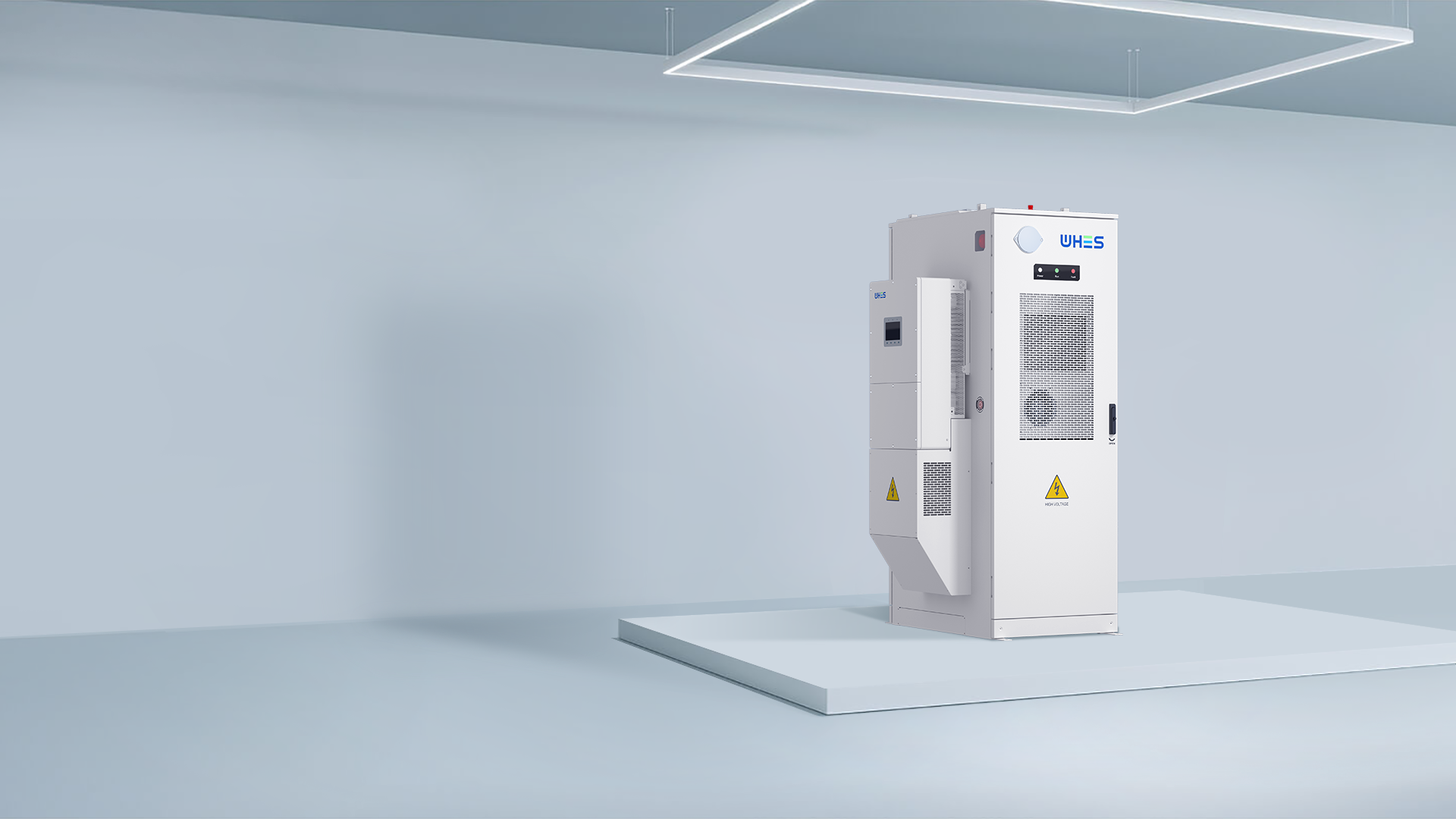
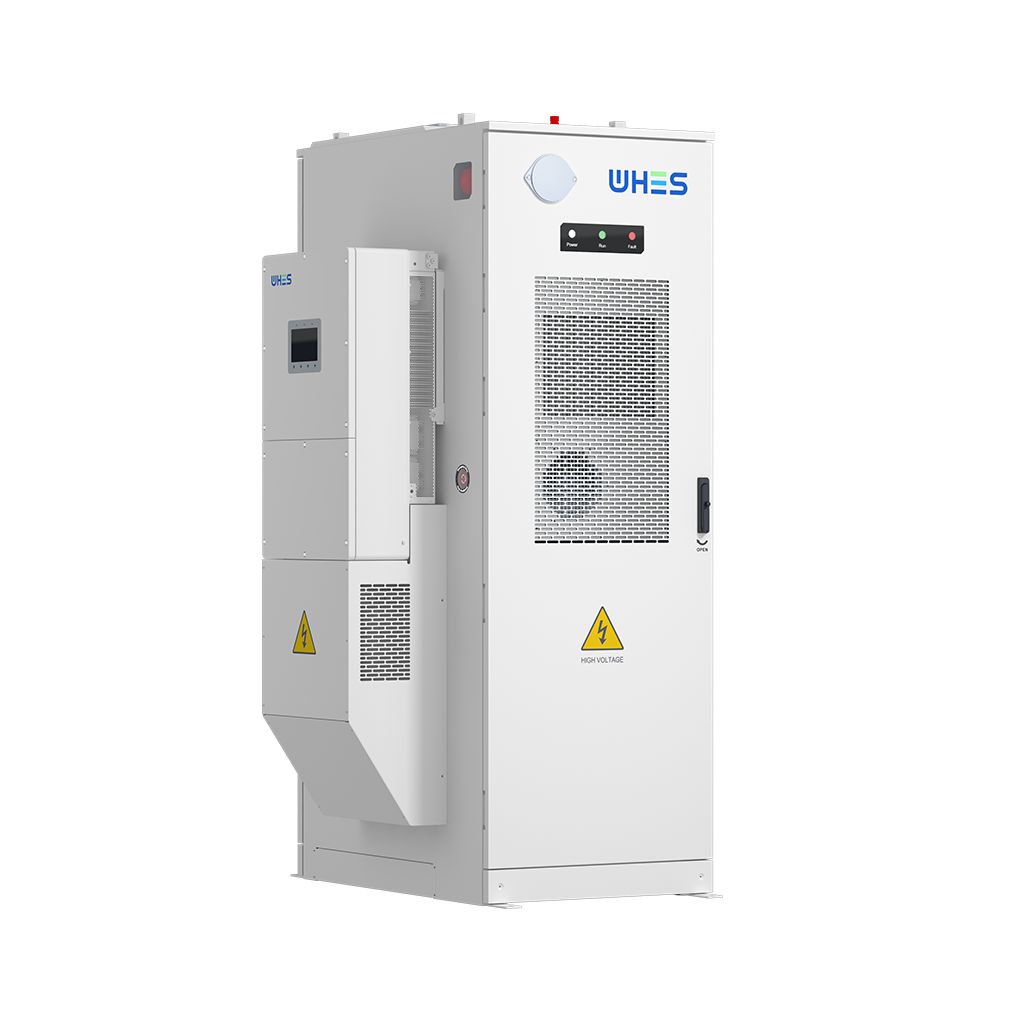
At the 50kW scale, architectures split into three practical camps: integrated all-in-one units, modular rack systems, and containerized arrays. Integrated all-in-one units minimize balance-of-system complexity and often provide the lowest latency between grid signal and dispatch. Modular racks give you flexibility and easier maintenance. Containers scale, but they add wiring, auxiliary systems, and sometimes milliseconds of delay at the control layer.
Real-world anchor: lessons from grid stress events
Events like the February 2021 Texas winter storm and periodic California grid contingencies taught operators a clear lesson — systems that can provide rapid frequency response stabilize grids in ways thermal plants cannot alone. Batteries dispatched for frequency regulation provide sub-second corrective action; thermal ramping happens over minutes. That reality has pushed grid operators and commercial buyers to value ramp rate and control fidelity as much as nameplate kilowatts.
Vendor trade-offs: what the spec sheet hides
Spec sheets sing peak power and nominal capacity, but they rarely reveal sustained power over time under varying SoC, BMS update latencies, or the true degradation rate under daily cycling. Warranty language hides cycling limits, and “10-year life” often assumes benign use profiles. Ask for degradation curves tied to real duty cycles, and insist on interoperability tests with your existing inverter or EMS. Small differences in BMS algorithms can change how much usable energy you actually get at a 10%–90% window — which matters when you design for ancillary markets.
Operational realities and common pitfalls
Installers commonly under-specify thermal management and over-estimate round-trip efficiency; both are costly mistakes. Thermal issues shorten battery life; optimistic efficiency numbers mislead economic modeling. Don’t accept default control modes — test the vendor’s frequency response algorithm against realistic grid signals. Bring your own test scenarios or use historical local events — replication beats theory.
Alternatives in the market and when to choose them
If your primary goal is fast frequency response and interconnection simplicity, an all-in-one 50kW system with integrated inverter can be ideal. If maintenance access, future capacity growth, or replacement flexibility matters more, modular rack systems win. For campus or microgrid projects that may scale beyond a few hundred kilowatts, a containerized approach can reduce the complexity of later aggregation — at the cost of initial latency and footprint.
Comparative checklist: practical questions to ask vendors
– What is the end-to-end response time from signal receipt to full power output? – Can you provide real-world degradation data for daily cycling at the intended DoD? – How does the BMS prioritize SoC for frequency events versus energy arbitrage?
Three golden rules for selecting the right 50kW system (Advisory)
1) Measure response, not claims: demand live demonstrations or vendor telemetry showing sub-second dispatch under load. 2) Validate usable capacity: model economics using usable kWh (accounting for recommended SoC window), not just nameplate kWh. 3) Insist on integration tests: confirm the inverter, EMS, and BMS work together with your site controls before signing purchase orders.
Choosing wisely means prioritizing proven control fidelity and realistic lifecycle data — and in that light, systems that combine clear telemetry, conservative degradation claims, and robust thermal design stand out as practical assets for grid services. For many operators, that combination points naturally to vendors whose products balance rapid response with measured, long-term performance; ultimately, the value arrives when hardware becomes predictable in real operations — as demonstrated by several deployments in North America and Europe. 50kw battery storage solutions that emphasize that predictability turn a technical promise into a dependable grid resource.
Choose a design that fits the grid problem — not the brochure. WHES. —
