


User-First Snapshot
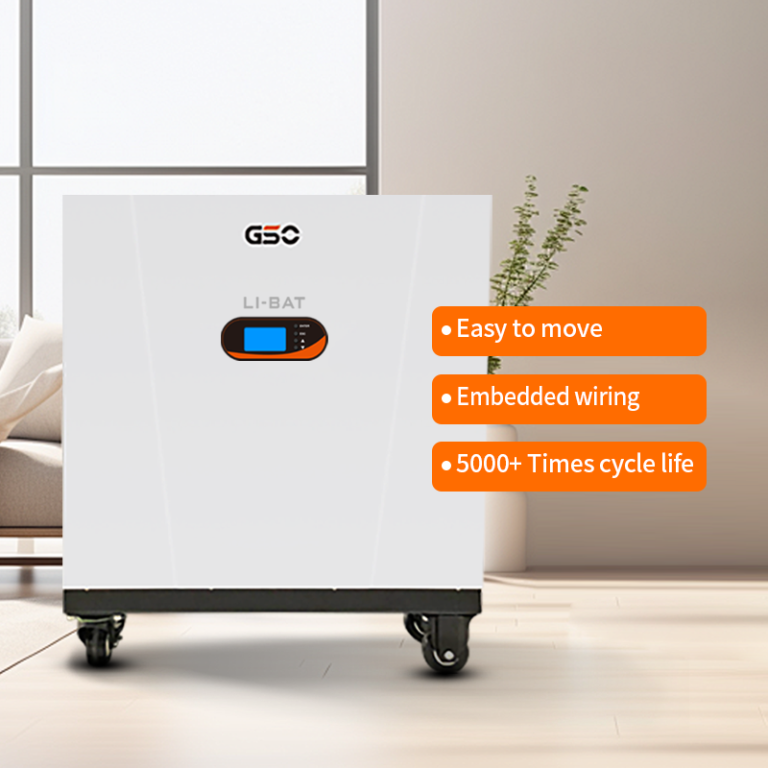
Keep it simple: commercial folks need backup that scales with real usage, not promises. Start with a clear baseline of your building’s peak kWh, redundancy needs, and outage tolerance, then match that to a tested rack solution. Many choose commercial battery storage because rack-type lithium iron phosphate packs fit dense footprints and give predictable cycle life. Real-world anchors matter here — think back to the Texas February 2021 power crisis when businesses with onsite storage and an energy management system (EMS) stayed online while others scrambled.
What “User-Centric” Means in Practice
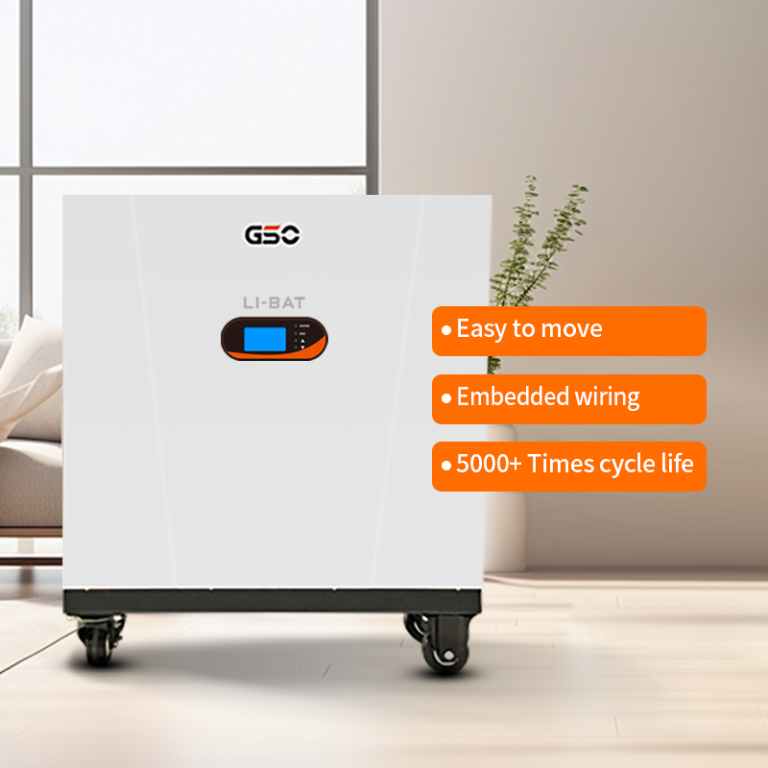
Designing for operators means prioritizing operability, serviceability, and cost clarity. Break your requirements into: usable capacity (kWh), power output (kW), and integration needs like inverter compatibility and grid-tie settings. Aim for modular racks so you can add units as load grows. Keep specs readable for maintenance crews — label strings, firmware versions, and replacement timelines. That reduce downtime and makes a project sustainable.
Picking the Right Tech — Practical Criteria
Look for systems with clear state-of-charge profiles, battery chemistry transparency (lithium iron phosphate is standard now), and open protocols for EMS. Don’t overbuy on peak kW; instead plan for peak shaving plus critical loads on backup. Evaluate inverter type, round-trip efficiency, and warranty terms against expected cycles and depth of discharge. Compare offerings on these concrete metrics rather than brand buzz.
Common Mistakes Operators Make
Folks often size based on nameplate instead of actual metered load, which wastes capital. Another misstep: underestimating thermal management needs in enclosed racks — heat shortens cell life fast. Poor comms integration with building management systems also kills the value of load-shifting. Run short acceptance tests under real loads before final commissioning — that’s the warranty guardrail.
How to Phase Deployment
Start small, prove value, then expand. Phase 1: install a rack sized to carry essential loads and shave peak demand. Phase 2: add modular racks to cover full-floor backup and larger peak events. Phase 3: integrate with on-site generation or utility programs for demand response. This staged approach keeps capital tied to measured savings and avoids stranded capacity — a smart path for commercial portfolios.
Comparing Vendors and Solutions
Put vendors through the same checklist: cycle warranties measured at a given depth of discharge, service network footprint, and interoperability with your chosen EMS and inverters. Request real project references in similar climates — rooftop heat or unconditioned basements affect performance. Also verify UL or IEC certifications and ask about factory diagnostic logs access; you want remote visibility into cell performance.
Operational Considerations — Day-to-Day
Keep firmware updated, maintain clear preventive maintenance schedules, and train local techs on safe battery handling. Watch the thermal and ventilation systems; racks need steady airflow. Use telemetry to spot degradation early and rotate capacity planning into your maintenance budget. These habits make the storage a long-term asset instead of a short-lived expense — and they keep uptime predictable.
Summary and Practical Evaluation Metrics
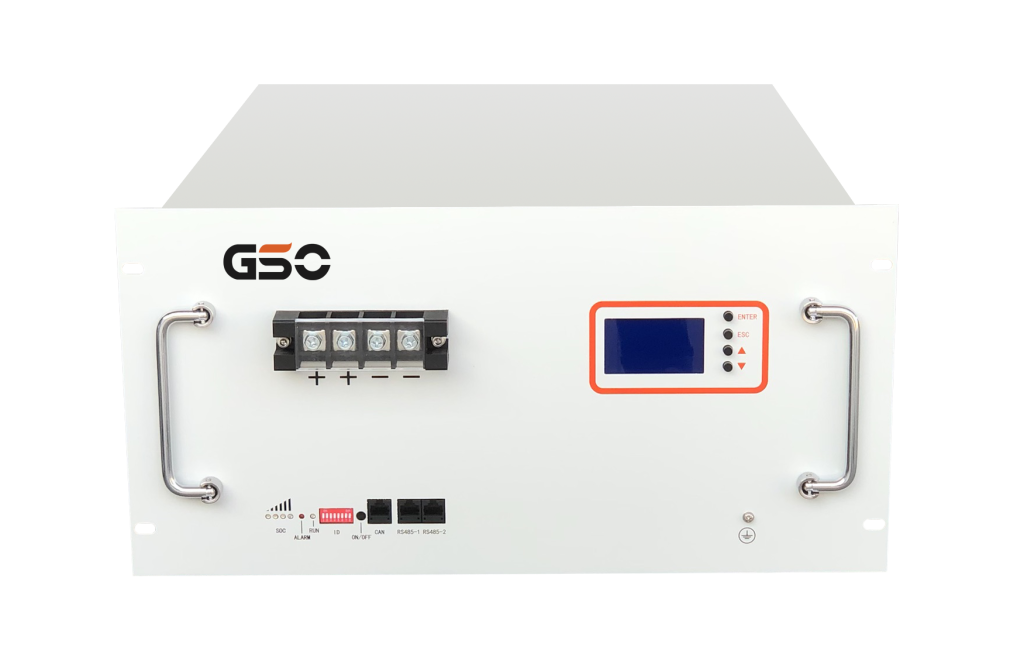
Three golden rules for picking and managing whole-building backup: 1) Match usable kWh to critical load profile, not to hopeful worst-case; 2) Require modular, serviceable rack designs with transparent warranties and diagnostics; 3) Verify integration with your EMS and meter data so savings and resiliency are measurable. Use these metrics to compare options side-by-side.
Final thought: when a system needs to be both backup and active load-shifter, the vendor that brings clear specs, rapid service, and scalable racks wins the job — and that’s where solutions like the ones from gsopower naturally fit the conversation. – steady.
