

Introduction — a short, sharp question
Have you ever wondered why a simple hand tool can make or break a safe working day?
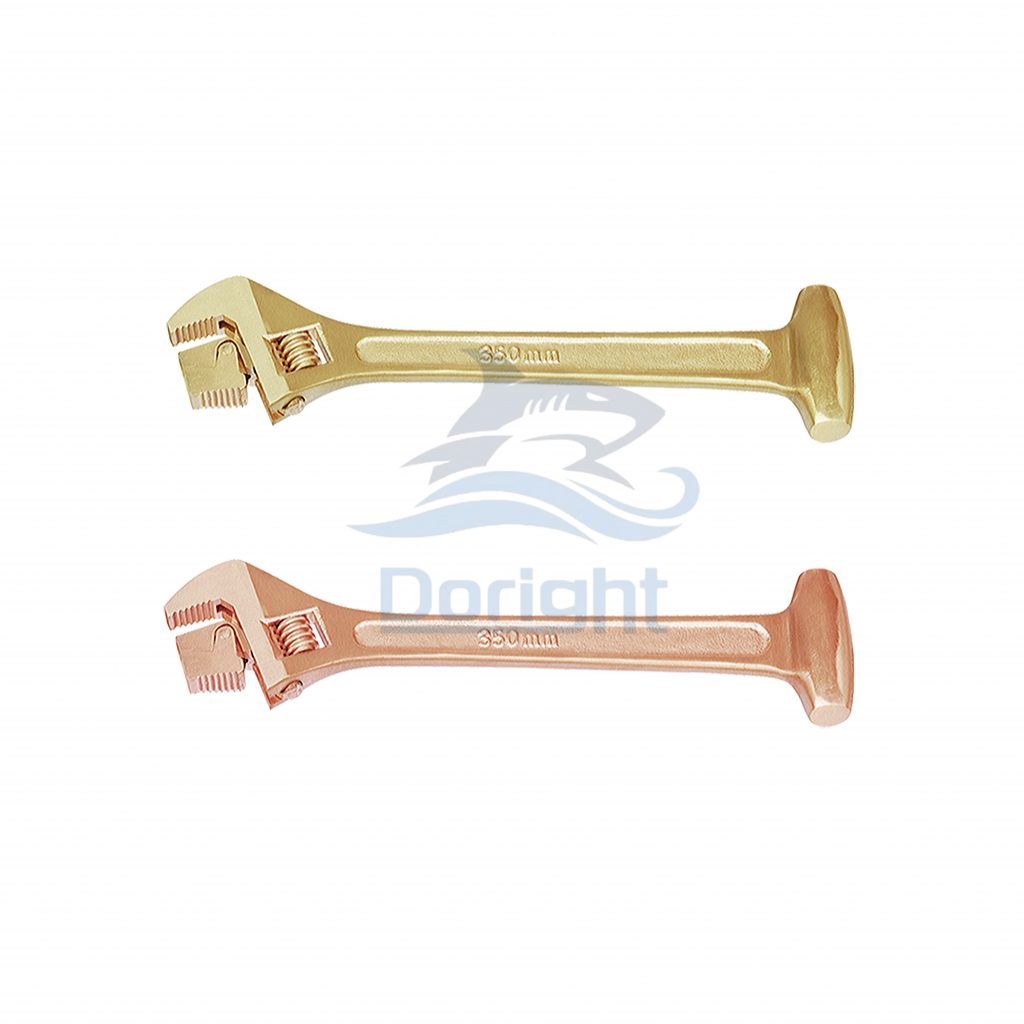
When I talk about non sparking wrenches, I mean the tools crews trust in flammable atmospheres — the ones that must not produce a single spark. Recent field audits show that up to 18% of small-site incidents trace back to inappropriate tool choice (yes, that number surprised me). So, what is going wrong on the ground, and how do we stop it happening again?
I often picture a late-night maintenance shift on an offshore platform. The lights are low, the air smells faintly of solvent, and someone reaches for the nearest chrome tool — not knowing it’s the wrong alloy. That scenario is painfully common, and the data (incident reports, near misses) keep piling up. How do we close the gap between policy and practice?
As we move on, I’ll point out specific failings and practical fixes — simple, testable steps you can try tomorrow. (Note: I’ll use a few technical terms — intrinsically safe, ATEX compliance — but I promise to keep it plain.)
What really goes wrong: traditional solution flaws
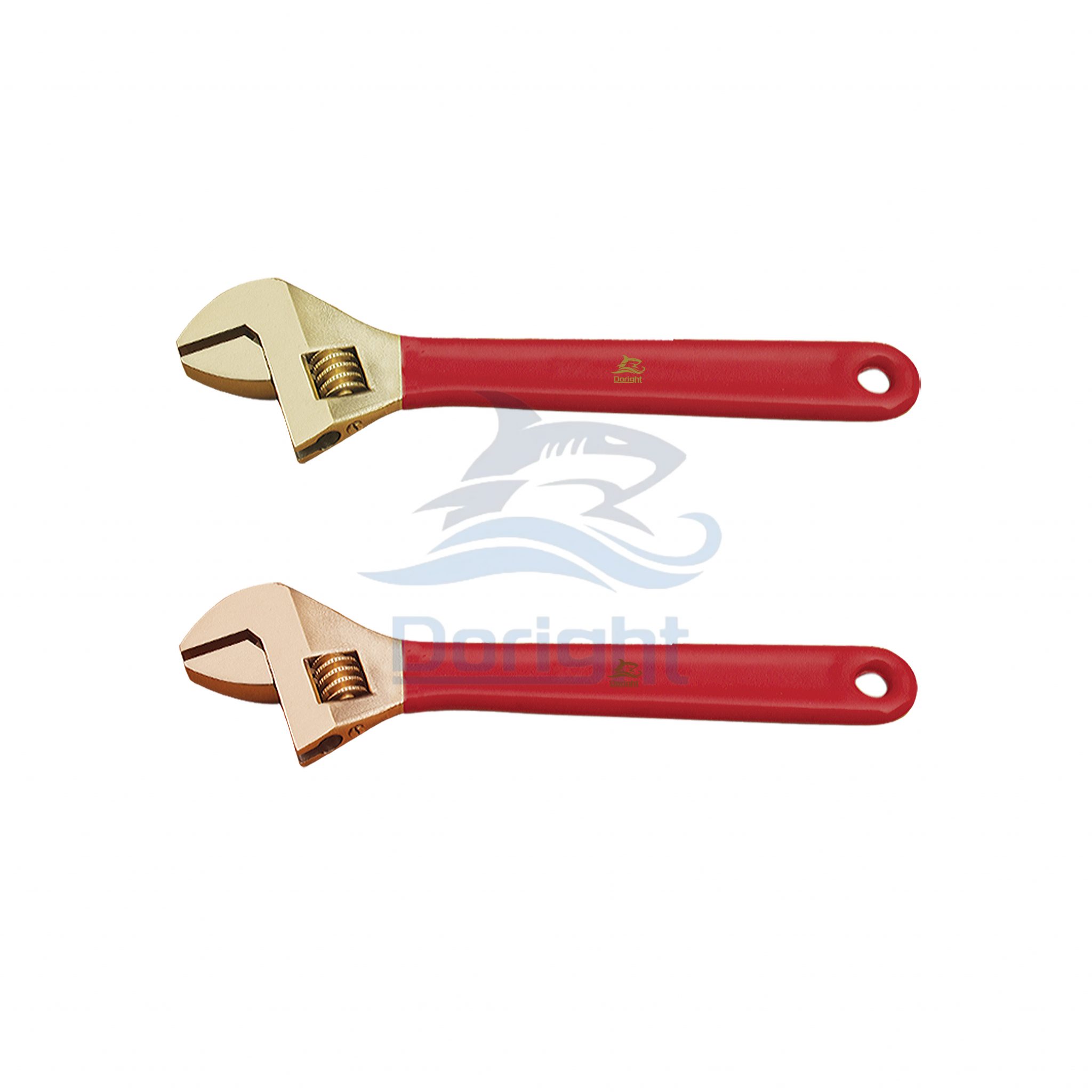
non sparking wrench—that phrase carries weight in safety meetings, but let me be blunt: many workplaces treat it like a label rather than a specification. I’ve seen boxes of “spark-free” tools without paperwork, and crews assuming alloy equals safety. That mismatch is the root of many failures.
Why do these tools fail in practice?
First, material misunderstanding. Spark-resistant alloy selection matters. A bronze-based wrench behaves differently to an aluminium-bronze tool under load. If torque calibration is off, edges can shear and expose harder inclusions — and that’s precisely when a spark can occur. Second, certification gaps. ATEX compliance or intrinsic safety claims are sometimes pasted onto products without traceable test results. Third, human factors: poor storage, mixing toolsets, and a lack of refresher training mean rules don’t stick.
Look, it’s simpler than you think — but only if you accept that lab specs and shop-floor realities diverge. I’ve watched maintenance teams swap tools between hazardous and non-hazardous zones because the right set wasn’t clearly labelled. That small habit increases risk. In my view, the fix starts with clear inventory tagging, routine torque checks, and a short toolbox talk that explains why an intrinsically safe tool matters in a given zone. — funny how that works, right?
Looking ahead: a practical case and metrics to choose the right tool
What’s next? I ran a short trial with a mid-size refinery: two teams, identical tasks, different tool-control regimes. Team A used unlabelled mixed tools. Team B used a managed set of certified non spark wrench tools with a daily check-list. Over three months, Team B logged zero tool-related near misses; Team A logged four. The difference came from simple rules: clear labelling, a quick visual check, and a firm rule to never borrow tools from another zone.
Real-world Impact — what to measure
From that trial I drew three metrics I now recommend to peers when evaluating solutions:
1) Traceable certification percentage — what share of your non-sparking tools have test reports and batch numbers?
2) Tool-control compliance rate — how often do crews follow the storage and inspection checklist?
3) Failure-mode frequency — how often do tools show wear that could expose hard inclusions or compromise a spark-resistant alloy?
These metrics are practical. They link paperwork to practice and help you see risk early. I’d add that training frequency matters — short refreshers work better than long, infrequent sessions.
In closing, you don’t need exotic tech to reduce incidents. You need the right alloy, clear labelling, and a culture that values simple checks. I recommend starting small and measuring fast. That way you can iterate — and actually see improvement.
For tools and certified options, I often point colleagues to trusted suppliers who provide full test documentation; for example, explore Doright for product details and compliance information: Doright.