


Why this matters (problem-driven lead)
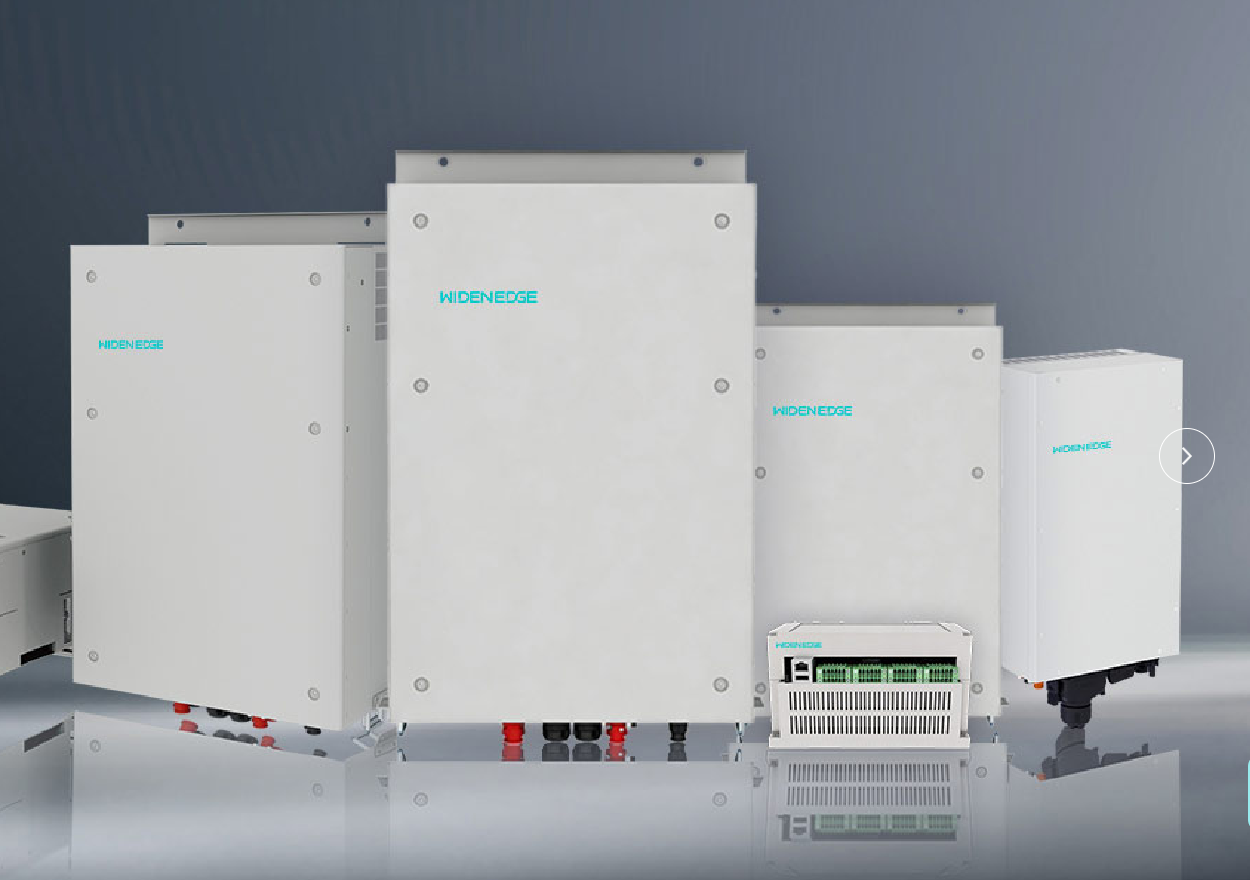
Most commercial installs stall because teams miss the obvious stuff early — wiring capacity, protective relays, or how the battery will behave under export limits. If you’re lining up a 45kW solar storage inverter for a three-phase PV plus battery system, you need a tight checklist before trucks roll. I’ll point out what trips projects up, give pragmatic preflight steps, and drop a quick nod to the model class people mean when they say 45 kW hybrid inverter so you don’t get stuck guessing at specs.
Top project risks to solve first
– Grid connection limits and export constraints: mismatch here kills return-on-investment. – Mismatched AC couplings and phase imbalance: three-phase systems don’t tolerate lazy phase mapping. – Battery charge/discharge strategy conflicts with local code or site loads. – Protection coordination gaps: upstream breakers, anti-islanding and settings aren’t pre-agreed. – Logistics: crane access, cable route clearances, and battery staging are often overlooked.
Site survey essentials
Do a physical sweep with these checks: – Confirm service capacity and meter configuration. Note transformer capacity and any planned upstream work. – Verify available roof or yard area for PV and battery containers; check shading windows during peak sun. – Take photos of switchboards, earthing points and cable trays. Record precise distances for voltage drop. – Confirm customer load profile for the 24-hour period that represents business-as-usual; don’t trust estimated spreadsheets.
Electrical design checklist
– Single-line diagram: specify switchgear, fuse ratings, surge protection, and CT placements. – Phase balancing plan: list expected PV infeed per phase and planned inverter split. – Short-circuit and protection coordination study: set breaker trip curves and inverter anti-islanding options. – Earthing and bonding plan: list conductor sizes and resistance targets. – Control and communications: specify Modbus/RS485 or Ethernet, and where the EMS will sit.
Battery pairing and sizing realities
Don’t pick battery capacity by feel. Match power and energy to real use: peak shaving needs power headroom; backup needs usable energy. Check battery vendor specs for continuous discharge rating vs inverter continuous output. Confirm battery BMS can handle fast response and that you’ve got safe thermal management. Note: inverter protective logic must align with battery depth-of-discharge limits and contiguous discharge profiles.
Compliance and testing you can’t skip
Have documented evidence for these items: – Local grid-code compliance statements and witness tests. – Insulation resistance and polarity checks before energizing. – Renewable plant test: full-power PV injection with battery in charge and discharge cycles monitored. – Functional test scripts for alarm conditions, islanding, and communications failures. Also ensure the equipment meets recognized safety standards such as IEC 62109 for inverter safety and performance.
Commissioning playbook (practical sequence)
– Energize the AC grid connection with inverter isolated; verify meter and upstream relays. – Bring inverter to standby, validate control comms to EMS and BMS. – Run PV-only generation test at reduced power; check MPPT behavior across irradiance. – Introduce battery in controlled charge/discharge steps, monitoring thermal and voltage response. – Execute anti-islanding test under supervised conditions and log results.
Common pitfalls and how to avoid them
– Pitfall: assuming inverter settings match site protection defaults. Remedy: document and agree protection curves before delivery. – Pitfall: undersized DC cabling leading to voltage drop and MPPT instability. Remedy: calculate conductors at peak current plus margin. – Pitfall: relying on a single controller for grid-following and energy management without fallback. Remedy: specify local fallback control and test failure modes.
Quick alternatives and trade-offs
If flexibility matters, consider split inverters (two 22–25 kW units) for redundancy at slightly higher footprint. For tight budgets, a single large hybrid unit saves on balance-of-system but increases single-point failure risk. Think modular if you expect future capacity growth; modular setups reduce downtime during upgrades but require more segregation and coordination.
Checklist summary — ready-to-execute
– Confirm grid export limit and signed connection agreement. – Finalize single-line and protection coordination. – Validate BMS–inverter compatibility and communications. – Pre-stage battery & PV logistics (access, lifting plan, cable lengths). – Prepare commissioning scripts and a witness test schedule. Tackle these now, and you avoid rework that costs time and money.
Final thought
Projects succeed when teams solve the obvious problems up front and run disciplined tests. That practical, problem-driven discipline is what makes a three-phase 45 kW solar-plus-storage install predictable and dependable — the kind of delivery I trust when I work with professional suppliers like WidenEdge.
