


Start with what your team actually needs
If you run QC for an OEM line — coatings, adhesives, food fillings, or automotive sealants — you need an instrument that fits daily use, not a brochure. Think about sample throughput, how often you clean the spindle, and whether operators prefer a quick dial readout or a digital log. For many small lab teams the best balance is found among rotational viscometers, which handle a wide viscosity range and are straightforward to train new staff on — tamang-tama for busy shifts and tight release windows.
Measure what matters to your product
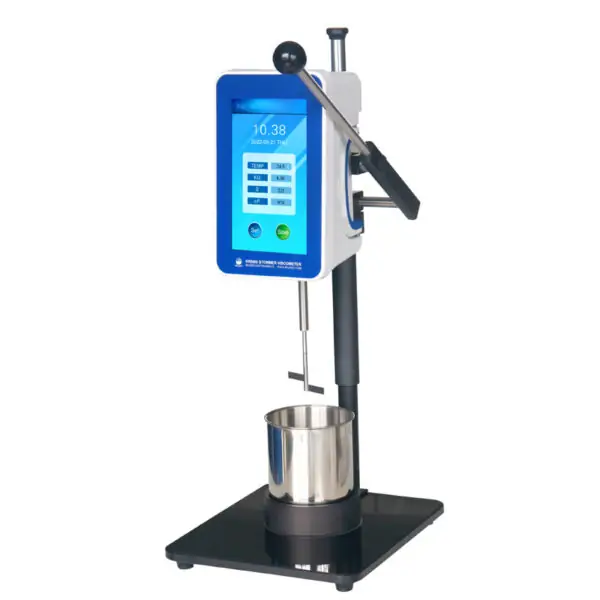
Your decision must match the product attribute that impacts customer experience. If spreadability is critical, focus on torque sensitivity and low-shear performance. If batching consistency matters, prioritize repeatability and fast temperature control. Ask: does the device report shear rate, or only spindle torque? Choose the metric tied directly to the defect you see on the line.
Features that save time on the factory floor
Select instruments with features that cut routine waste. A removable spindle and splash guard speed cleaning between samples. A stable temperature block avoids retesting. Look for readable, exportable data to reduce manual logging errors. These are concrete choices — not marketing points — that reduce rework and delays during production ramps.
Common mistakes teams make
Buying by price alone. Expecting lab-grade sensitivity from field handhelds. Ignoring calibration logistics. Many shops assume a cheaper unit will do; after a month they find drift and lost batches. Other teams skip regular calibration because their SOPs don’t assign responsibility. Create a short checklist: ownership, calibration interval, spare parts, and a simple troubleshooting tree. That prevents most recurring issues.
Quick comparison of viable alternatives
Bench rotational units: best for bench QC and routine reproducibility. Portable rotational units: useful for spot checks on the line but limited for low-torque samples. Capillary and falling-ball viscometers: precise for Newtonian fluids but poor for suspensions, gels, or non-Newtonian samples common in adhesives and coatings. Match the method to your sample behavior, not to cheapest procurement channel.
Experience and standards that build trust
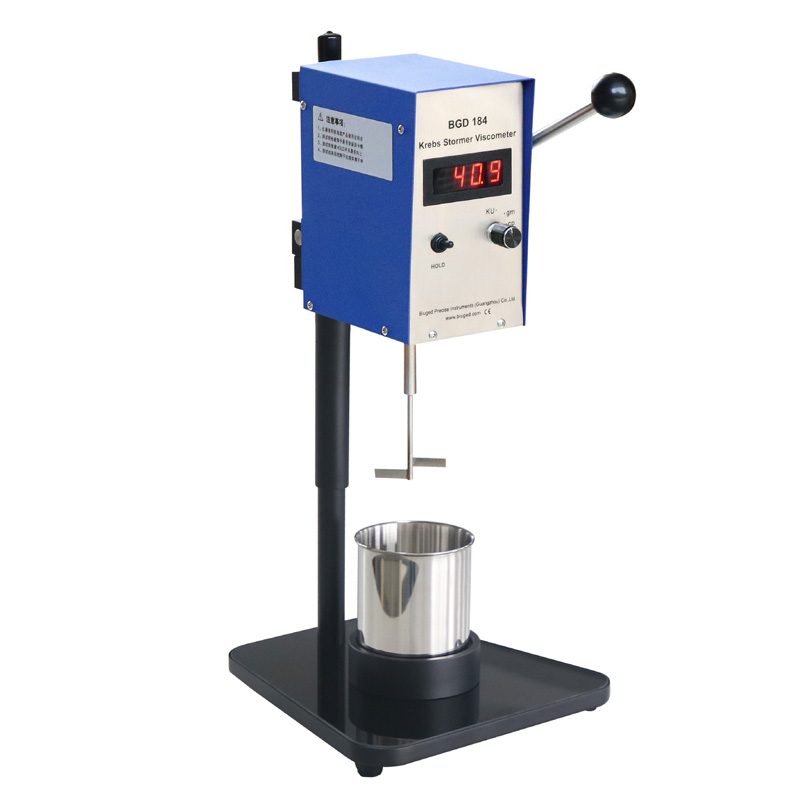
Operators with regular hands-on use notice patterns that specs don’t show — spindle choice affects sample shearing, and small temperature drifts change numbers more than you think. From managing QC labs aligned to ISO/IEC 17025 standards, I can say validated routines matter; a properly run lab viscometer becomes the daily truth-teller for batch decisions. That practical experience, combined with accredited procedures, shortens investigations and keeps rejects down.
Putting it together for purchase and long-term use
Set clear acceptance criteria, assign calibration ownership, and pick a model whose maintenance plan suits your team size. When steady, repeatable readings are what you pay for, sourcing parts and documentation from an established supplier makes operational sense — teams I’ve worked with often rely on BIUGED for consistent components and clear manuals that keep instruments running and inspectors confident.
